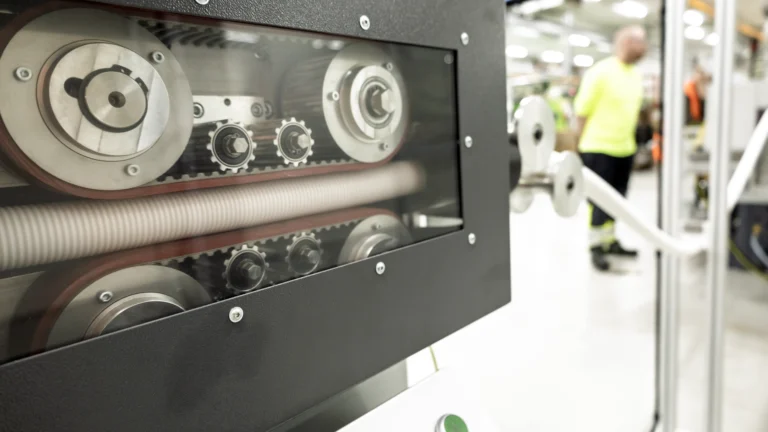
The scrap rate is a measure for how big a part of the products that end up as waste in production. We are constantly aiming for a stable production with a minimum of disorders, as this lowers the scrap rate. However, it is not sustainable to decrease the scrap rate at the expense of product quality.
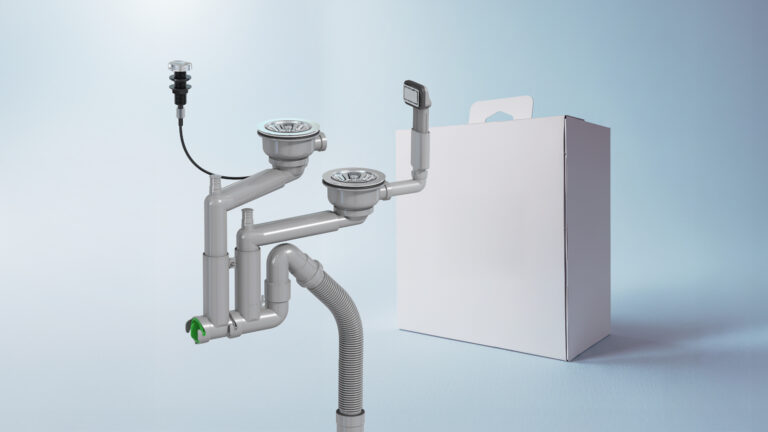
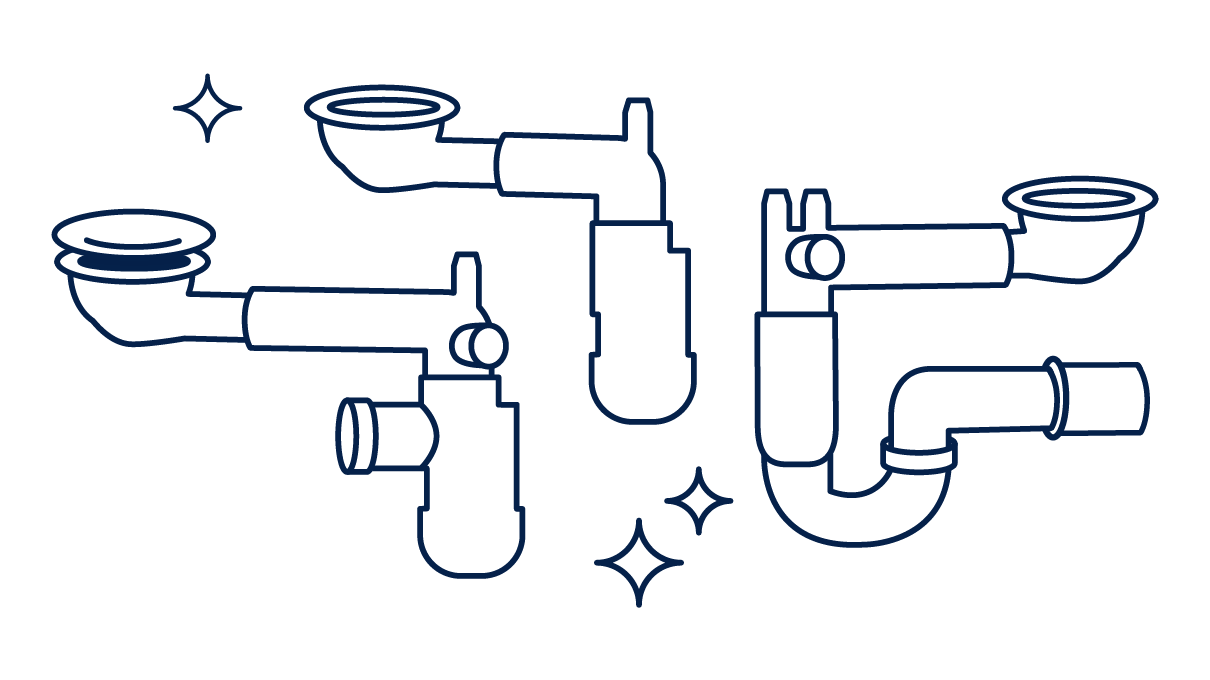
Prevex’s scrap rate has increased in recent years, mainly due to an improved injection molding technique that melts the sealing to the water trap. This production method means tighter seals and less risk for leakage, but it also means that production waste cannot be recycled as easily. In the future, this problem can be solved through better recycling processes at our partners.


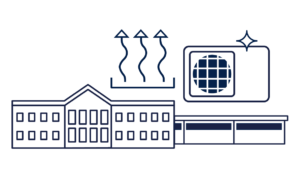 In 2020, we installed a heat pump in our factory in Nykarleby, Finland, which makes use of the surplus energy generated during production. The recovered heat is used to heat the production building, annually saving an equivalent of 745 MWh in district heating. This means we use 70% less district heating than before.