Prevex_water_185264129

Phasing out lead

By replacing brass with lead-free and more environmentally friendly materials, Prevex is taking a significant step towards more sustainable production. The first new lead-free product versions were launched in April 2025.

Phasing out lead – second in importance after recycled plastic

LCA analyses show that one of the most important steps towards environmentally friendly production is to phase out lead from our products. Lead is present in brass, a raw material Prevex has used in certain products. Lead is a substance harmful to both humans and the environment, even in small amounts.

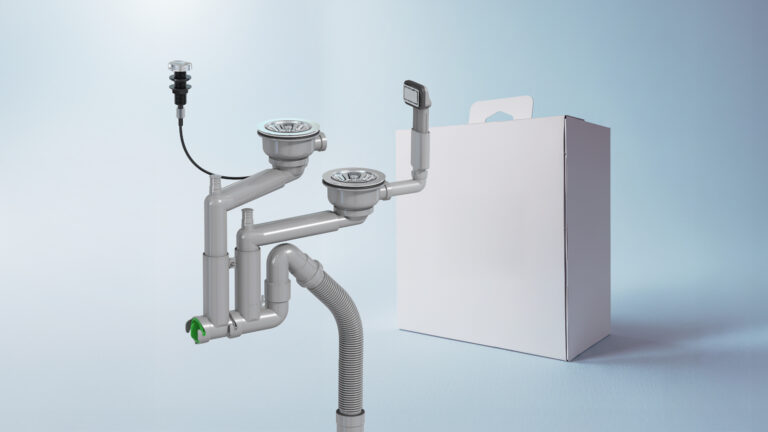
In spring 2025, Prevex started replacing brass with other materials in kitchen water traps, and later the same change was made for bathroom water traps.

Environmental issues related to lead

The reason we are phasing out lead is due to its negative impact on the environment:

  • Lead can accumulate in the soil, especially near mines and production facilities
  • Lead can leak into groundwater and contaminate drinking water
  • Lead can cause air pollution if it escapes from production sites
  • Lead accumulates in the food chain and poses a threat to wildlife, especially birds

Many environmental benefits

Replacing brass with engineering plastics—and thereby phasing out lead—has many positive environmental effects, as shown by calculations commissioned by Prevex:

  • Climate impact is reduced
  • Effects on the ozone layer and water consumption are significantly lower
  • Unlike lead, plastic is not toxic to humans

Replacement materials after intensive testing

In some products, brass is completely replaced with so-called engineering plastics—specialty plastics with specific properties. In other products, brass is replaced with a combination of plastic and stainless steel. The plastic-and-steel combination will primarily be used in products that have visible metal parts to maintain their visual appearance. Despite changes in materials and design, the products still retain the same look, functionality, and durability as before.

News

The world’s most

sustainable water traps